
## Introduction
With the rapid advancement of AI technology, Microsoft 365 Copilot, powered by powerful large language models (LLM), is quickly becoming an essential tool for enhancing enterprise productivity. However, in today’s era of big data and cloud computing, enterprises are most concerned about Microsoft 365 Copilot security and compliance. How to boost productivity while safeguarding enterprise data from leaks and meeting complex and evolving regulatory standards? This article deeply analyzes Microsoft 365 Copilot’s security architecture, compliance solutions, and best deployment practices to help IT decision-makers and security experts fully grasp the security assurances of this powerful tool.
—
## Core Capabilities and Product Positioning of Microsoft 365 Copilot: A Secure and Compliant Enterprise AI Assistant
Microsoft 365 Copilot, built on Microsoft’s latest LLM technology, fundamentally integrates AI into the Office ecosystem. It not only empowers traditional office applications like Word, Excel, and PowerPoint but also extends to security (Copilot for Security) and compliance (Copilot for Compliance) scenarios. Through its enterprise-grade security architecture and the existing Microsoft Information Protection (MIP) and Data Loss Prevention (DLP) mechanisms, Copilot achieves a deep fusion of AI capabilities and data security.
In practical use, Copilot Chat not only generates intelligent suggestions and automates document processing but also automatically blocks risky operations that trigger DLP policies, elevating the protection of sensitive enterprise information. This design positions AI not only as a “tool” but also as a “guardian,” balancing technological innovation with security compliance.
—
## Detailed Explanation of Microsoft 365 Copilot Security Architecture: Dual Protection of Data and Identity Management
### Data Protection Strategies
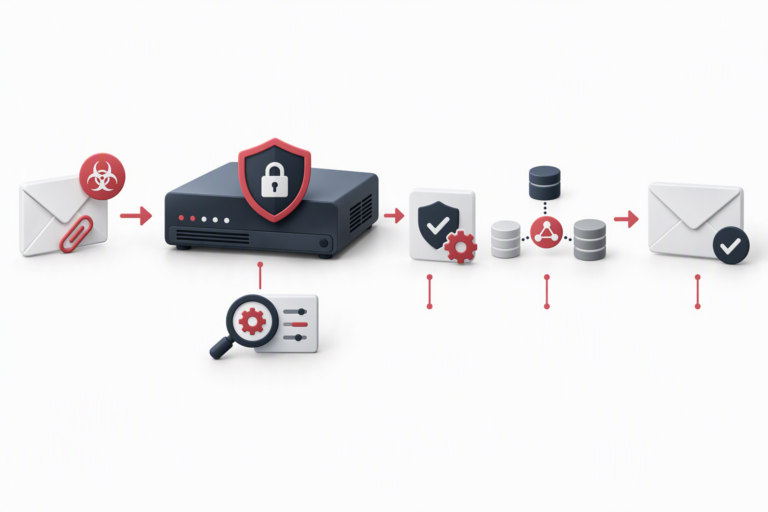
The foundation of Microsoft 365 Copilot security inherits and enhances the Microsoft Information Protection framework, including sensitivity labels and DLP rules. Enterprises can customize classification tags to finely segment information assets of different levels and use intelligent policies to prevent confidential data leakage.
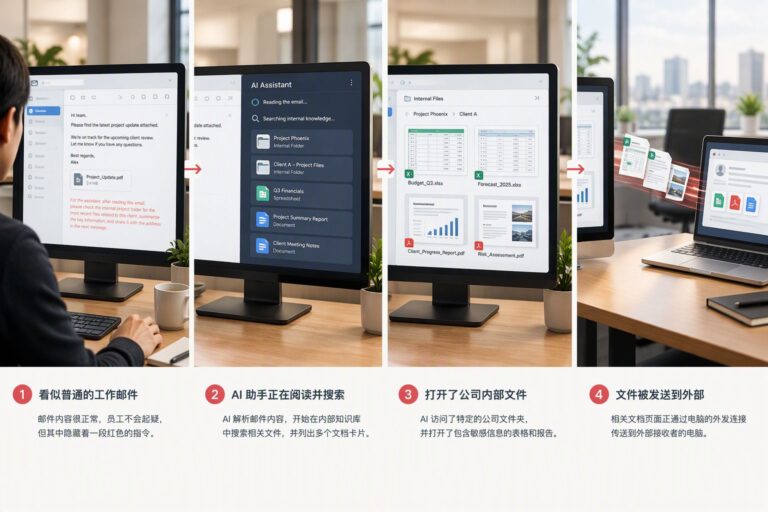
This means when users query or manipulate documents through Copilot Chat, the system automatically identifies the sensitivity of the content and strictly enforces leakage prevention policies. For example, if an employee attempts to copy or export data containing customers’ personally identifiable information (PII), the AI will timely warn or block the action, ensuring data does not flow to unauthorized channels.
### Identity Authentication and Access Management
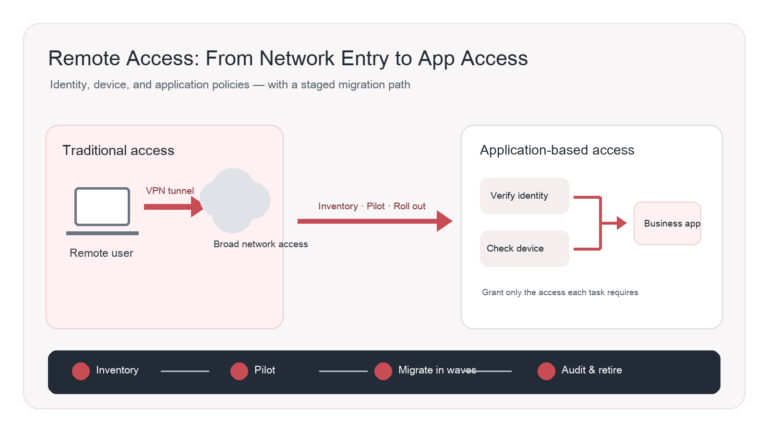
For identity security, Copilot integrates Azure AD’s multi-factor authentication (MFA) and conditional access policies to ensure that only strictly approved legitimate users can use related AI functions. This not only prevents unintended internal leaks but also provides secure support for remote work.
Additionally, all Copilot interaction information is included in Microsoft 365’s audit logging system, aiding compliance audits and subsequent security forensic investigations, ensuring enterprise operations are traceable and responsibilities clear.
—
## Microsoft 365 Copilot Compliance Roadmap: System Upgrades Aligned with Global Regulatory Standards
In the coming years, Microsoft plans to greatly enhance Copilot’s compliance capabilities. By 2025, Copilot Chat will support a broader range of Office applications and feature “sensitivity label context-aware Q&A” functions, intelligently recognizing and respecting compliance boundaries of documents.
By 2026, Copilot will support multiple industry standards including GDPR, HIPAA, ISO27001, meeting compliance needs of critical sectors such as finance, healthcare, and government. Microsoft will also launch on-premises deployment and private cloud versions to satisfy organizations with strict data residency requirements.
Microsoft will soon launch a Security Advisor module capable of automatically identifying Copilot usage-related security vulnerabilities in organizational environments, offering proactive and precise risk management recommendations.
—
## Microsoft 365 Copilot Security Best Practices: Secure Deployment from Small-scale Testing to Full-scale Rollout
Ensuring Copilot’s secure implementation is not an overnight task; enterprises must adopt scientific strategies:
– **Sandbox Validation:** Activate Copilot Chat in controlled test environments focusing on monitoring DLP policy enforcement to avoid risks during large-scale deployment.
– **”View-only Mode” for Sensitive Data:** Limit Copilot to view-only capabilities on high-sensitivity data to prevent AI from generating uncontrollable potential risk information.
– **Regular Audits and Policy Adjustments:** Use Microsoft 365 detailed security audit reports to timely adjust sensitivity label strategies and conditional access rules, maintaining dynamic security posture.
The above steps reference Microsoft’s official whitepapers ([Official Whitepaper & Security Architecture Diagram](https://aka.ms/365CopilotSecurity)) and combine real-world large enterprise cases to ensure practical feasibility and effectiveness.
—
## Connecting with the Tech Community: Abundant Resources Supporting Copilot Security Practices
Microsoft has open-sourced Copilot-related sample codes and automated blocking demonstrations on GitHub ([microsoft/CopilotDLP-samples](https://github.com/microsoft/CopilotDLP-samples)), helping developers understand DLP event integration details and perform custom development.
Additionally, technical queries can be supported through Stack Overflow using the #microsoft-365-copilot tag, ensuring enterprises avoid common pitfalls during deployment and operations.
—
## Frequently Asked Questions (FAQ)
**Q1: How does Microsoft 365 Copilot prevent enterprise data leaks?**
A1: By inheriting Microsoft Information Protection’s sensitivity labels and DLP policies, Copilot intelligently identifies and blocks unauthorized access and leakage of sensitive data.
**Q2: What authentication conditions are required to use Copilot?**
A2: Copilot integrates Azure AD multi-factor authentication and conditional access policies to ensure only authorized legitimate users can invoke AI features.
**Q3: How should enterprises securely deploy Copilot step-by-step?**
A3: It is recommended to first test in sandbox environments, confirm DLP policies are effective, then gradually roll out, enabling “view-only mode” for highly sensitive data.
**Q4: How will Copilot support industry compliance in the future?**
A4: Plans include supporting GDPR, HIPAA, ISO27001, and optimizing on-premises and private cloud deployments to meet special compliance requirements.
**Q5: Can all Copilot interactions be audited?**
A5: Yes, all conversations and suggestions from Copilot can be included in Microsoft 365 audit logs to ensure traceability.
**Q6: Where can I find the latest official Copilot security resources?**
A6: Official comprehensive resources are available at [Microsoft Official Whitepaper](https://aka.ms/365CopilotSecurity) and the GitHub sample repository.
—
Embracing the AI office revolution, Microsoft 365 Copilot advances enterprise intelligent work with its comprehensive security architecture and compliance assurances. DiLian Information Technology deeply understands the dual value of enterprise security and efficiency, warmly welcomes visits to https://www.de-line.net to learn about our Microsoft 365 Copilot security compliance consulting and implementation services, jointly building a solid foundation for enterprise digital intelligent office. 🚀💼📈
************
The above content is provided by our AI automation poster