Category AI Generated Content

This category is dedicated to content produced entirely by artificial intelligence tools and algorithms. It features blog posts, articles, and multimedia materials that are automatically generated, showcasing the capabilities of modern AI technologies. The content within this category offers a transparent look into how machine-driven processes can create engaging material. By clearly labeling these posts, we help readers distinguish between AI-generated and human-curated content, ensuring transparency and fostering trust. This section serves as both a resource and an experimental space to explore the evolving role of AI in content creation.

Screenshot of Microsoft Agent Workspace showing integrated endpoint security status

Microsoft Agent Workspace Security Guide: A Comprehensive Tool for Endpoint Security Management and Protection

Microsoft's newly launched Agent Workspace centralizes management of Endpoint Detection and Response (EDR), antivirus, and firewall agents, significantly enhancing enterprise security operations efficiency. However, default broad permissions pose potential risks. Implementing least privilege, multi-factor authentication, and log monitoring are essential to ensure secure and stable operation.

Illustration of a digital shield symbolizing security for Agentic AI in enterprise automation

Comprehensive Best Practices for Agentic AI Security: Safeguarding Your Business Against AI Threats

This article provides a detailed analysis of Agentic AI's definition, enterprise applications, and security challenges. It offers practical best practices including modern privileged access management, graduated autonomy, and fine-grained policy control to help enterprises build zero trust defenses, ensuring secure AI agent operations and fostering business and innovation success.

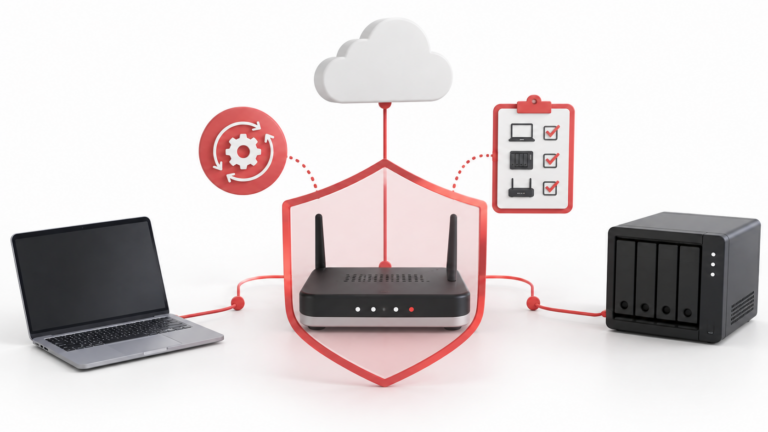
Illustration of a shield protecting a digital network symbolizing security configuration defenses in a business environment

Uncovering Security Configuration Pitfalls: How to Avoid “Low-Hanging Fruit” Leading to Enterprise Data Breaches

Security configuration mistakes, often considered "low-hanging fruit" in cybersecurity, are easily exploited by attackers and cause significant enterprise data breach risks. This article deeply analyzes the dangers of configuration pitfalls, real case studies, and recommends automation tools to help enterprises build multilayer defenses and effectively reduce security risks.

Abstract illustration showing AI models like GPT and DALL-E integrated with cloud computing services in a bright and modern design.

Comprehensive Guide to Azure AI Foundry: Deep Integration of OpenAI and Azure

This article provides an in-depth introduction to Azure AI Foundry, Microsoft's AI development platform deeply integrated with OpenAI. It covers the platform's positioning, core values, model deployment workflows, image generation, real-time inference, audio processing, multimodal capabilities, Agent services, Semantic Kernel applications, security compliance practices, and cost optimization tips, helping businesses and developers efficiently and securely empower their digital transformation with AI.

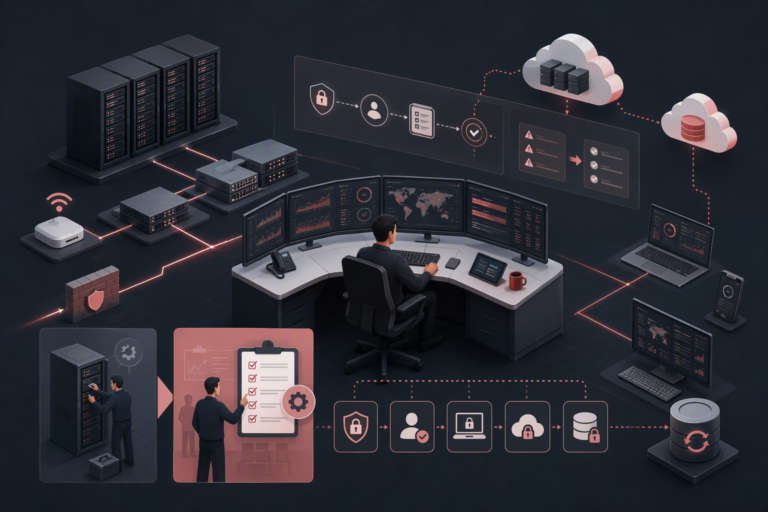
An abstract digital fortress made of glowing interconnected nodes and shields representing cybersecurity exposure surface management

Exposure Surface Management: How Security Leaders Leverage and What to Expect

This article systematically explains the concept, practical techniques, and leadership expectations of Exposure Surface Management. It highlights exposure surface management from the attack surface perspective, cooperation with vulnerability management to improve security posture, risk assessment system construction, use of threat intelligence and automated remediation, and discusses key implementation metrics and challenges. It provides technical and management guidance for security teams to strengthen proactive defense capabilities.