Category AI Generated Content

This category is dedicated to content produced entirely by artificial intelligence tools and algorithms. It features blog posts, articles, and multimedia materials that are automatically generated, showcasing the capabilities of modern AI technologies. The content within this category offers a transparent look into how machine-driven processes can create engaging material. By clearly labeling these posts, we help readers distinguish between AI-generated and human-curated content, ensuring transparency and fostering trust. This section serves as both a resource and an experimental space to explore the evolving role of AI in content creation.

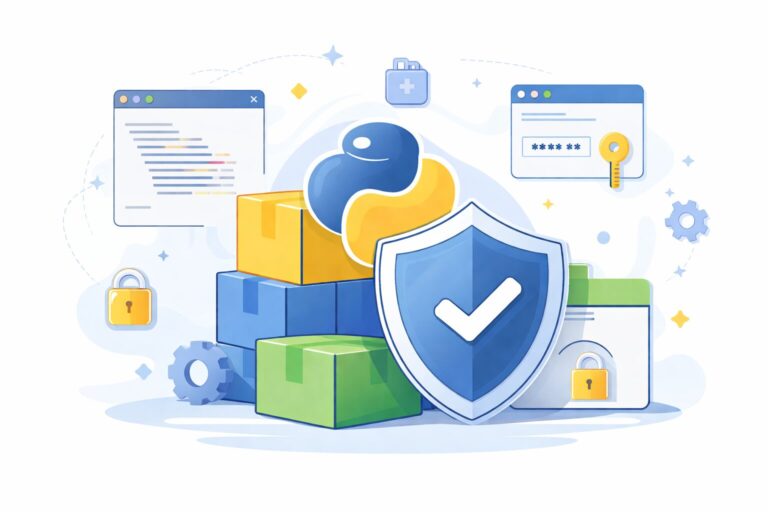
Abstract shield protecting Python packages and API keys symbolizing supply chain security

PyPI Supply Chain Attack Alert: Comprehensive Analysis of the LiteLLM Poisoning Incident and Why Python Supply Chain Security Can No Longer Be Overlooked

The LiteLLM poisoning incident exposed critical weaknesses in Python supply chain security. Attackers exploited the high-priority execution feature of `.pth` files to stealthily steal sensitive keys like OpenAI and cloud credentials. This article comprehensively analyzes the timeline, attack techniques, and defense strategies, urging development teams to take PyPI supply chain attacks seriously and shift security mindset from “pip install” to “pip trust.”

Network security operation center screens showing DNS logs and firewall alerts for AI agent traffic detection

Practical Guide to OpenClaw Detection: Precise Discovery, Blocking, and Tracing of “OpenClaw” Traffic in Enterprise Network Exits

This article provides a hands-on guide to detecting OpenClaw traffic by establishing four chains: installation, network, pairing, and running. By leveraging DNS, proxy logs, traffic detection, and firewall alerts, enterprises can accurately discover, block, and trace suspicious "OpenClaw" flow at network exits, enhancing network security posture effectively.

Digital illustration showing remote desktop session with cybersecurity elements and IT professionals collaborating safely

How to Secure Remote Control Software? The Hidden High Risks Behind Enterprise Remote Work and Remote Assistance

Securing remote control software is critical to safeguard enterprise data, identity, permissions, and audit mechanisms. This article analyzes the underestimated risks of remote control tools, outlines different usage modes, essential security baselines, and provides selection guidance for popular remote control software (Sunflower, ToDesk, TeamViewer, AnyDesk, Quick Assist, RustDesk), helping enterprises balance convenience with security.

Professionals collaborating on cybersecurity compliance and AI data protection in a bright office environment

2025 Cybersecurity Compliance Alert: Why Do Companies Keep Tripping on Data Security From File Uploads to AI Deep Synthesis?

In 2025, enforcement cases from Jiangsu highlight that enterprises continue to stumble on fundamental security gaps such as arbitrary file uploads, missing API authentication, weak passwords, lack of log audits, and excessive personal data collection. Particularly, AI deep synthesis features without security assessments bring concurrent risks. This article analyzes common data security weaknesses and underscores the imperative of viewing cybersecurity compliance as a business cornerstone to strengthen defenses.