
🚨 Did you know? A staggering 80% of IT failures are caused by monitoring blind spots! If you’ve ever experienced a sudden outage or unexplained system slowdowns, chances are your IT infrastructure is suffering from invisible gaps in its monitoring coverage. In this guide, we’ll deep-dive into what IT monitoring blind spots are, how they jeopardize your business, and—most importantly—how you can proactively eliminate them for a resilient, reliable IT environment.
What Are IT Monitoring Blind Spots? 🕶️
IT monitoring blind spots refer to parts of your infrastructure—servers, applications, network segments, or even cloud resources—that lack proper, continuous monitoring. These blind areas go unnoticed until a failure occurs, making troubleshooting more difficult and increasing downtime risk.
Common Causes:
- Incomplete Asset Inventory: Devices or services not tracked by your monitoring tools
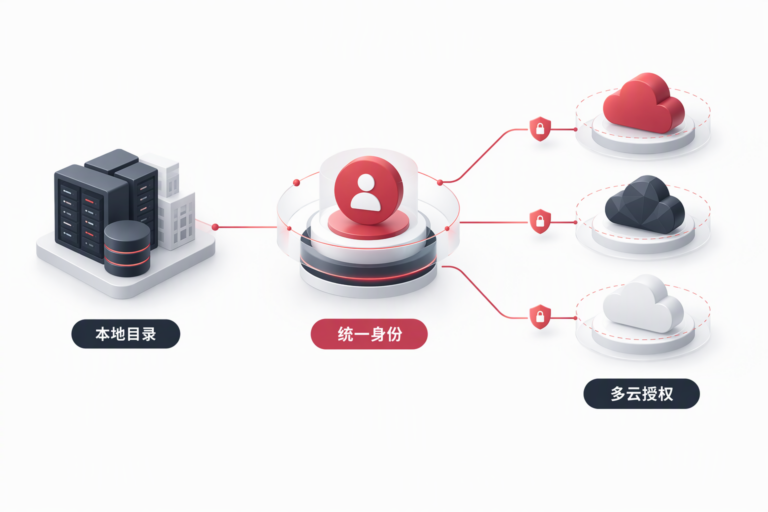
- Fragmented Monitoring Tools: Using too many unintegrated platforms, leaving data gaps
- Rapid Infrastructure Changes: Cloud adoption and DevOps can outpace your monitoring updates
- Lack of Visibility into Remote Workforces or Shadow IT
Why Are Blind Spots So Dangerous? ⚡
- Delayed Incident Response: Issues in blind spots are often detected late—if ever
- Data Loss or Security Breaches: Undetected vulnerabilities become entry points for attackers
- Increased Costs: Every minute of unplanned downtime can cost thousands!
- User Dissatisfaction: End user experience suffers when issues go unnoticed
How to Find & Fix Your IT Monitoring Blind Spots 🔍
- Audit Your IT Landscape
List every asset—On-prem, cloud, mobile, IoT—nothing gets left behind. - Consolidate Tools
Choose monitoring solutions that provide unified views across environments. - Automate Discovery
Use automation to continuously discover new devices, users, and services. - Monitor End-to-End
Go beyond infrastructure—monitor user experience, application performance, and network flows. - Review Regularly
Audit your coverage after every major change or upgrade. - Educate Teams
Train staff to recognize new risk areas as your tech stack evolves.
Real-World Example 🌐
A retail company failed to monitor cloud-based point-of-sale devices—resulting in several hours of downtime and lost sales when a provider outage went unnoticed. After centralizing monitoring and setting up automated alerts, such incidents dropped by 90%!
Take Action Today ✨
Don’t wait for a costly IT failure to reveal your monitoring gaps. Start a proactive assessment today! Want more tips & tailored solutions to close your IT monitoring blind spots? Visit our website to discover how our expert services keep your business running smoothly. 💡
The above content is provided by our AI automation poster